On July 11th Nashville Public Television aired its documentary Wessyngton Plantation: A Family’s Road to Freedom. The film was inspired by my book The Washingtons of Wessyngton Plantation: Stories of My Family’s Journey to Freedom and the Tennessee State Museum exhibition Slaves and Slaveholders of Wessyngton Plantation. The documentary highlighted the life of my great-great-great-grandmother Jenny Blow Washington. Jenny along with her sister Sarah was brought from Sussex County, Virginia to Tennessee in 1802 by Joseph Washington who founded Wessyngton Plantation. Jenny married Godfrey a slave from a neighboring plantation and became the matriarch of one of the largest families on Wessyngton. Godfrey and Jenny later had nine children, including my great-great-grandfather Emanuel Washington (1824-1907). Today there are thousands of their descendants throughout the United States. Click link to view the documentary: http://www.youtube.com/watch?v=bdce9dud1c0
Posts Tagged ‘Slavery’
WESSYNGTON PLANTATION: A FAMILY’S ROAD TO FREEDOM
Saturday, July 12th, 2014SLAVES AND SLAVEHOLDERS OF WESSYNGTON PLANTATION EXHIBIT TOUR
Tuesday, May 13th, 2014RECENTLY DISCOVERED PHOTOGRAPH FROM WESSYNGTON PLANTATION
Friday, November 29th, 2013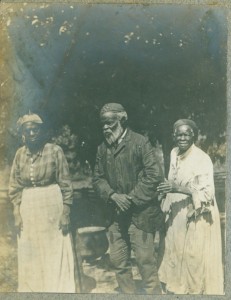
In preparation for the Tennessee State Museum exhibit, Slaves and Slaveholders of Wessyngton Plantation, descendants have been asked to locate Wessyngton artifacts, photographs, paintings and other memorabilia. A descendant of the owners of Wessyngton living in Nashville recently discovered this photograph in an album that belonged to his grandmother. The photograph was taken at Wessyngton in 1903, featuring Jenny Washington b. 1830, (wife of Allen Washington), Emanuel Washington 1824-1907 and his sister Susan Washington b. 1821. When the photo was taken there were only five former slaves still at Wessyngton of the senior generation, which also included Henny Washington 1839-1913 and Aggy Washington Terry, b.1824.
Wessyngton Plantation African American Cemetery 1796 to 1928
Thursday, November 29th, 2012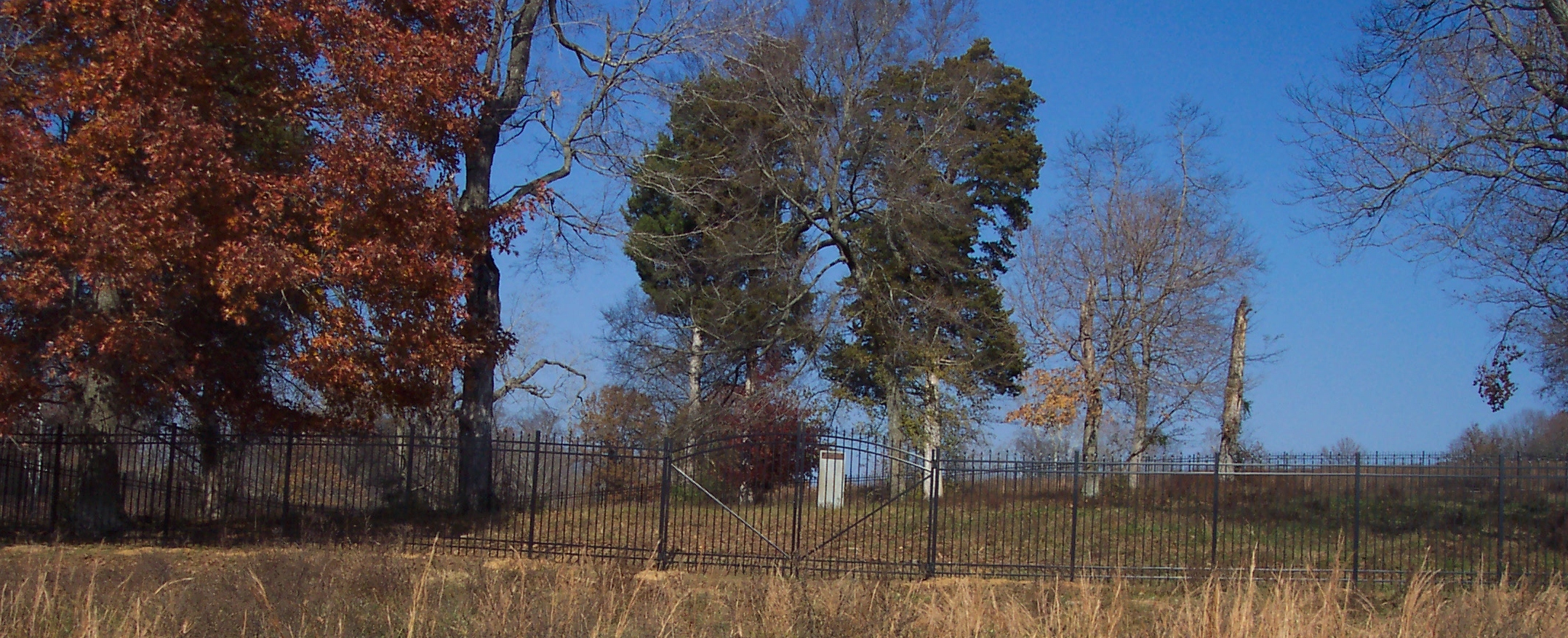
The African American Cemetery on Wessyngton Plantation was founded by Joseph Washington who came to Robertson County, Tennessee from Southampton County, Virginia in 1796. Joseph later returned to Virginia and brought African and African American slaves with him. The cemetery was used by the enslaved African American population of the plantation and their descendants from 1796 to 1928.
In 1995 a memorial monument at the African American Cemetery was erected by Mary Washington Holley, Thomas Blagden and Preston Frazer, direct descendants of Wessyngton’s founder Joseph Washington. It honors those buried there.
In 2012 a beautiful six-foot aluminum fence was erected to enclose and protect the cemetery. The fence adds charm and dignity to the cemetery. Special thanks go to Stanley Frazer Rose, a sixth generation descendant of Joseph Washington, for his generosity in funding this renovation.
The African American cemetery is located some distance from the Wessyngton mansion on a hill overlooking Caleb’s Creek. This is near where Joseph and his slaves first settled in 1796. The cemetery measures approximately 640 square feet and contains an estimated 200 graves. A geophysical survey using ground penetrating radar is planned to determine the actual number of graves in the cemetery. At that time, the original monument will be enlarged to honor all those who were buried in the cemetery. This monument will be funded in part by Mary Hotchkiss Gregg, Robina Gregg O’Rourke, Robert Etheridge Gregg, and Robert Hunnewell Gregg, sixth generation descendants of Joseph Washington.
Based on correspondence and plantation records from the Washington Family Papers collections, death certificates, oral history and eyewitnesses who attended burials at the cemetery, the following persons are known to be buried there:
Sampson Washington 1808 –1836
Caesar Washington 1826-before 1838
Elijah Washington 1823-before 1838
Matt Washington 1777-before 1838
Nicholas Washington 1822-before 1838
Noel Washington 1804-before 1838
Oscar Washington 1825-before1838
Peter Washington 1823-before 1838
Sam Washington 1770-before 1838
Sam Washington 1770-before 1838
Samuel Washington 1770-before 1838
Simon Washington 1783-1835-before 1838
Cherry Washington 1839-1839
Will Washington 1820-1841
Boyd Washington 1840-1846
Mariah Washington 1798-1846
Godfrey Washington 1787-1846-before 1850
Rosetta Washington 1827-1850
Camilla Lewis 1834-1852
Maria Washington 1853-1853
Wendy Washington 1853-1853
Westley Washington 1853-1853
Otho Lewis 1838-1854
Edward Washington 1834-before 1856
Al Washington ?-1838-before1856
Andrew Washington ?-1838-before 1856
Fowler Terry 1815-1838-before 1856
Simon Washington 1815-1838-before 1856
Toby Washington ?-1838-before 1856
Tony White 1820-1838-before 1856
Westley Washington 1822-1838-before 1856
Daniel Washington 1808-1841-before 1856
Wallis Washington 1822-1841-before 1856
Anthony Washington 1823-1843-before 1856
Archer Washington 1824-1843-before1856
Charles Washington 1809-1843-before 1856
George Lewis 1785-1843-before 1856
Jim Washington 1801-1844-before 1856
Aleck Washington 1795-1846-before 1856
Norfleet Washington 1846-before 1856
Tom Washington 1783-1846-before 1856
Gabriel Washington 1819-1850-before 1856
Dempry Washington 1837-1856
Ned Washington 1844-1856
Silvah Washington 1817-1823-before 1860
Charity Washington 1828-before 1860
Martha Ann Washington 1833-before 1860
Martha Washington 1835-before 1860
Sarah Washington 1840-before 1860
Arry Leavell Washington 1805-1841-before 1860
Sally Washington 1816-1829-before 1860
Mira Washington 1829-1842-before 1860
Sylvia Washington 1806-1842-before1860
Bena Washington 1770?-1844-before 1860
Tom Washington 1782-1846-before 1850
Easter Washington 1784-1850-before 1860
Henny Jackson Smith 1790-1850-before 1860
Jenny Washington 1760-1850-before1860
Unknown male 1785-1850-before 1860
Willie Washington 1820-1850-before 1860
Angelina Cheatham Washington 1814-1851-before 1860
Millie Washington 1851-before 1860
Allen Washington 1813-1856-before 1860
Mose Terry 1810-1856-before 1860
Westley Washington 1830-1856-before 1860
Hannah Washington 1780-1801-before 1860
Juda Washington 1775-1801-before 1860
Nanny Washington 1802-1804-before 1860
Rhoda Washington 1814-1819-before 1860
Fanny Washington 1815-1831-before 1860
Peggy Lewis 1795-1843-before 1860
Lettuce Washington 1857-before1860
Green Cheatham 1817-1860
Jack Washington 1849-1860
Marian Lewis ?-1843-1860
Temperance Washington 1795-1861
Amanda Washington 1837-1863
Aaron Gardner 1804-1860-before 1865
Esther Washington 1775-1860-before 1865
Jenny Washington 1785-1860-before 1865
Sarah Washington 1810-before 1865
Jack Washington 1859-1865
Moses Lewis 1857-1866
Vina Washington 1843-1869
America Washington 1815-1870-before 1880
Humphrey Washington 1797-1870-before 1880
Jenny Blow Washington 1792-1870-before 1880
Cornelia Washington 1859-1882
Axum Washington 1808-1880-before 1890
Britain Washington 1800-1880-before 1890
Hannah Washington 1808-1880-before 1890
Prudence Washington 1819-1893
Allen Washington 1825-1890-before 1895
Emanuel Washington 1824-1907
Jenny Washington 1830-1900-before 1910
Winnie Washington Long Biggers 1860-1900-before 1910
Henny Washington 1839-1913
Sarah Washington Cheatham 1810-1914
Hezekiah Tom Washington 1850-1918
Henry Drake 1868-1928
Washington Descendants Visit Wessyngton Plantation During Family Reunion
Friday, June 25th, 2010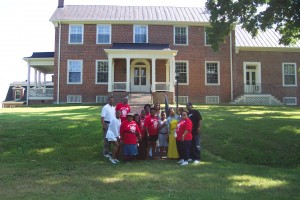
Washington Family at Wessyngton Plantation
On June 19th members of the Washington family visited Wessyngton Plantation as part of their family reunion. The tour included a visit to the mansion, Washington family cemetery, and a restored slave cabin. Family members descend from Temperance Washington born 1795, who was enslaved on the plantation along with her son Sam and daughter Jane in 1815. Sam Washington born 1812 married Jane Hadley 1835-1916. After emancipation the Washington family remained in the Cedar Hill, Tennessee area. Members of the family were instrumental in establishing the St. James Baptist Church in Cedar Hill. On June 20th the church celebrated its anniversary where numerous Washington descendants still worship. These members descend from Sam and Jane’s children: Nelson Washington, Irvin Washington, Temperance Washington Sherrod, and Betty Washington Smothers.
Divorce Case of Former Slaves Reveals Family History
Friday, October 23rd, 2009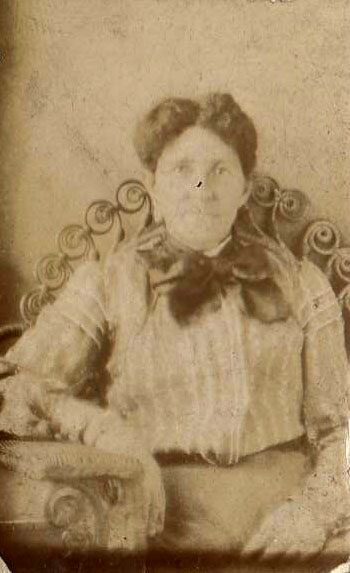
Arry Fort Pitt 1836-1918
Today divorce is very common, but in 1800s and early 1900s it was rarely heard of, especially among African Americans. In my research I found this extraordinary divorce case of two former slaves in Robertson County, Tennessee which detailed the history of their family.
Alford Pitt 1830-1900 and his wife Arry Fort Pitt 1836-1918 were married during slavery and had eleven children. Alford was a carpenter and later accumulated more than 500 acres of land. He had African American and white sharecroppers working his land.
In 1900, Arry filed for divorce from Alford stating that he had an affair with two black women and one white one. She stated that she had worked hard to help him amass everything they owned and she was entitled to half. Alford claimed that she had not helped him accumulate his wealth and felt since they married during slavery and never married after they were emancipated that she was not legally his wife and therefore not entitled to any of his property.
The divorce case put a great strain on the Pitt family, their friends and neighbors. Arry had more than fifty witnesses to prove her claims and Alford had nearly as many to support his. Half the children sided with their mother and the others their father.
Arry was represented in court by a family member of her former owners. In 1866, a law was passed in Tennessee which made all former slave marriages legal if the couple continued to live as man and wife.
The courts ordered Alford to give Arry 100 acres of land, $1,000, a horse and buggy and other livestock. Shortly after the verdict Alford died from complications of a cold that he caught from walking to court in bad weather.
Some of the Pitt property is still owned by their direct descendants. A street that runs through the property bears the family name.
A Thank You Letter from Her Majesty Queen Elizabeth
Tuesday, August 4th, 2009
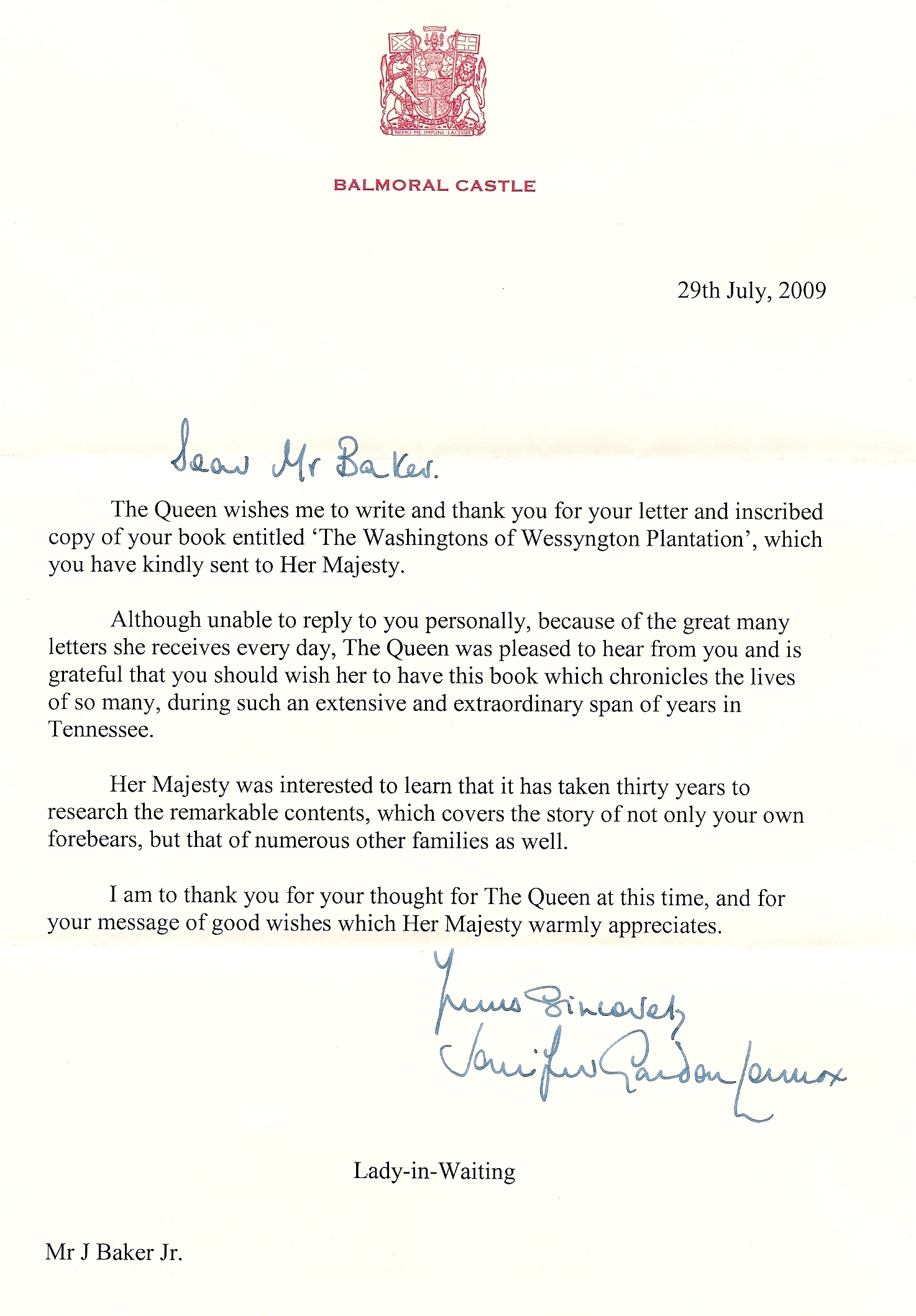
Letter from Queen Elizabeth
Queen Elizabeth acknowledged the receipt of a signed copy of my book. As is the custom, her lady-in-waiting wrote me. The royal seal indicated that the Queen was at her summer residence, Balmoral Castle in Scotland.
http://en.wikipedia.org/wiki/Balmoral_Castle– for your info.
Colonial Documents Reveal African Roots
Friday, July 24th, 2009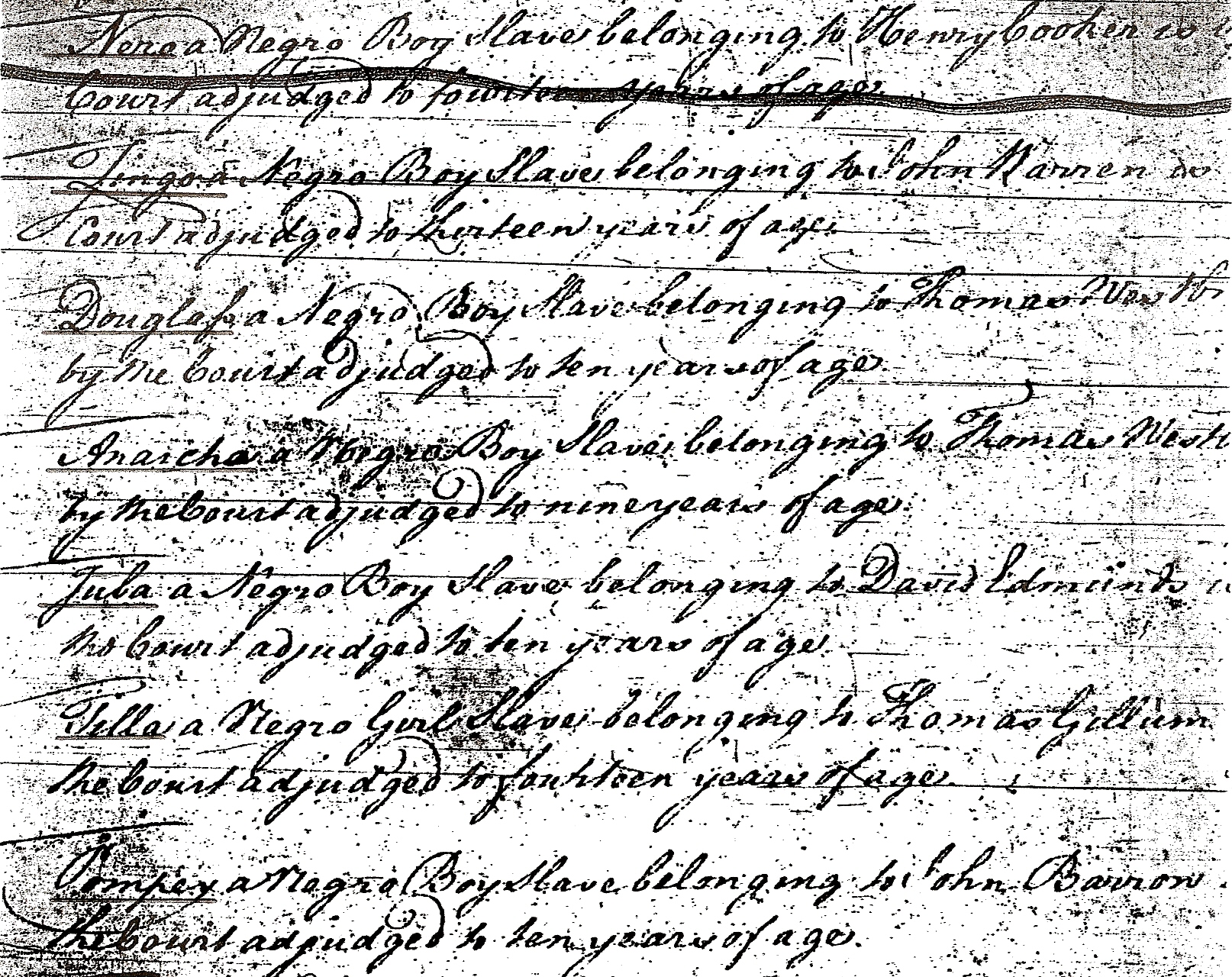
Court Orders, Southampton County, VA, 1749
Nero a Negro boy slave belonging to Henry Cooker is by the court adjudged to fourteen years of age.
Zingo a Negro boy slave belonging to John Warren by the court adjudged to thirteen years of age.
Douglas a Negro boy slave belonging to Thomas Westbrooks by the court adjudged to ten years of age.
Anarcha a Negro boy slave belonging to Thomas Westbrooks by the court adjudged to nine years of age.
Juba a Negro boy slave belonging to David Edmunds by the court adjudged to ten years of age.
Tilla a Negro girl belonging to Thomas Gillum the court adjudged to fourteen years of age.
Pompey a Negro boy slave belonging to John Barrow the court adjudged to ten years of age.
During the Colonial period, slave owners were required to pay taxes on their slaves from ages twelve to fifty years old. When Africans were brought to the colonies and it was evident that they were adults they were simply added to tax rolls called tithables. When small children and teenagers arrived from Africa and their ages were uncertain, the slave owners would have to take them into court and a judge would assign an age for the slave, which was then recorded in minute or court order books. Most of the slaves were assigned English names, although some retained their true African names. Some of the court orders also list the names of the ships the Africans arrived in and the dates of arrival. Many of these individuals can be traced in later documents such as tax records, wills, and estate settlements. These records can prove to be a genealogical goldmine for African American researchers.
How Can We Honor Our Mothers on Mothers Day?
Thursday, May 7th, 2009
What better way to honor our mothers and our maternal ancestors than to tell our children about the sacrifices made so that the lives of future generations could be lives well lived. When I think of what our great-great-grandmothers endured in the times of slavery and early emancipation I know that their sacrifices should not be forgotten. Please take a moment on Mothers Day to honor our ancestors.