Posts Tagged ‘Black Genealogy’
Thursday, November 29th, 2012
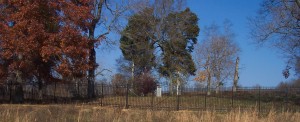 Wessyngton African American Cemetery 1796 to 1928
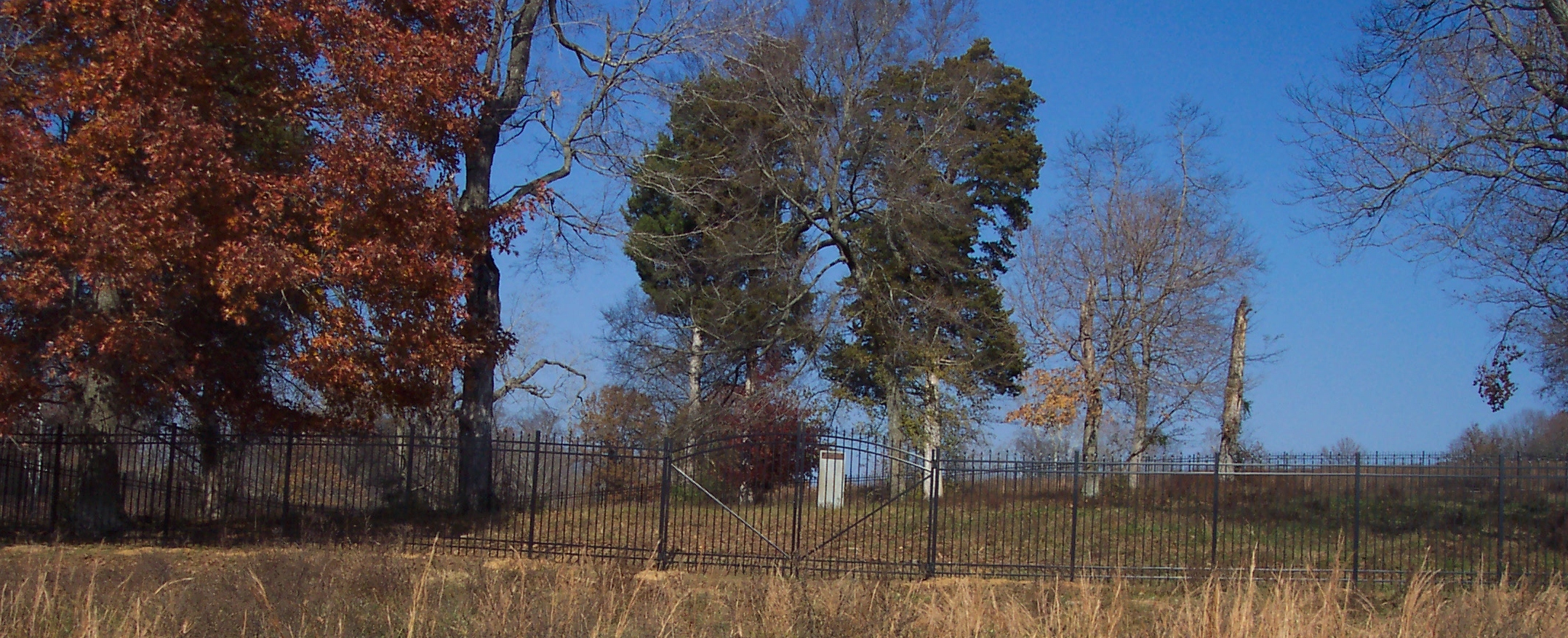
The African American Cemetery on Wessyngton Plantation was founded by Joseph Washington who came to Robertson County, Tennessee from Southampton County, Virginia in 1796. Joseph later returned to Virginia and brought African and African American slaves with him. The cemetery was used by the enslaved African American population of the plantation and their descendants from 1796 to 1928.
In 1995 a memorial monument at the African American Cemetery was erected by Mary Washington Holley, Thomas Blagden and Preston Frazer, direct descendants of Wessyngton’s founder Joseph Washington. It honors those buried there.
In 2012 a beautiful six-foot aluminum fence was erected to enclose and protect the cemetery. The fence adds charm and dignity to the cemetery. Special thanks go to Stanley Frazer Rose, a sixth generation descendant of Joseph Washington, for his generosity in funding this renovation.
The African American cemetery is located some distance from the Wessyngton mansion on a hill overlooking Caleb’s Creek. This is near where Joseph and his slaves first settled in 1796. The cemetery measures approximately 640 square feet and contains an estimated 200 graves. A geophysical survey using ground penetrating radar is planned to determine the actual number of graves in the cemetery. At that time, the original monument will be enlarged to honor all those who were buried in the cemetery. This monument will be funded in part by Mary Hotchkiss Gregg, Robina Gregg O’Rourke, Robert Etheridge Gregg, and Robert Hunnewell Gregg, sixth generation descendants of Joseph Washington.
Based on correspondence and plantation records from the Washington Family Papers collections, death certificates, oral history and eyewitnesses who attended burials at the cemetery, the following persons are known to be buried there:
Sampson Washington 1808 –1836
Caesar Washington 1826-before 1838
Elijah Washington 1823-before 1838
Matt Washington 1777-before 1838
Nicholas Washington 1822-before 1838
Noel Washington 1804-before 1838
Oscar Washington 1825-before1838
Peter Washington 1823-before 1838
Sam Washington 1770-before 1838
Sam Washington 1770-before 1838
Samuel Washington 1770-before 1838
Simon Washington 1783-1835-before 1838
Cherry Washington 1839-1839
Will Washington 1820-1841
Boyd Washington 1840-1846
Mariah Washington 1798-1846
Godfrey Washington 1787-1846-before 1850
Rosetta Washington 1827-1850
Camilla Lewis 1834-1852
Maria Washington 1853-1853
Wendy Washington 1853-1853
Westley Washington 1853-1853
Otho Lewis 1838-1854
Edward Washington 1834-before 1856
Al Washington ?-1838-before1856
Andrew Washington ?-1838-before 1856
Fowler Terry 1815-1838-before 1856
Simon Washington 1815-1838-before 1856
Toby Washington ?-1838-before 1856
Tony White 1820-1838-before 1856
Westley Washington 1822-1838-before 1856
Daniel Washington 1808-1841-before 1856
Wallis Washington 1822-1841-before 1856
Anthony Washington 1823-1843-before 1856
Archer Washington 1824-1843-before1856
Charles Washington 1809-1843-before 1856
George Lewis 1785-1843-before 1856
Jim Washington 1801-1844-before 1856
Aleck Washington 1795-1846-before 1856
Norfleet Washington 1846-before 1856
Tom Washington 1783-1846-before 1856
Gabriel Washington 1819-1850-before 1856
Dempry Washington 1837-1856
Ned Washington 1844-1856
Silvah Washington 1817-1823-before 1860
Charity Washington 1828-before 1860
Martha Ann Washington 1833-before 1860
Martha Washington 1835-before 1860
Sarah Washington 1840-before 1860
Arry Leavell Washington 1805-1841-before 1860
Sally Washington 1816-1829-before 1860
Mira Washington 1829-1842-before 1860
Sylvia Washington 1806-1842-before1860
Bena Washington 1770?-1844-before 1860
Tom Washington 1782-1846-before 1850
Easter Washington 1784-1850-before 1860
Henny Jackson Smith 1790-1850-before 1860
Jenny Washington 1760-1850-before1860
Unknown male 1785-1850-before 1860
Willie Washington 1820-1850-before 1860
Angelina Cheatham Washington 1814-1851-before 1860
Millie Washington 1851-before 1860
Allen Washington 1813-1856-before 1860
Mose Terry 1810-1856-before 1860
Westley Washington 1830-1856-before 1860
Hannah Washington 1780-1801-before 1860
Juda Washington 1775-1801-before 1860
Nanny Washington 1802-1804-before 1860
Rhoda Washington 1814-1819-before 1860
Fanny Washington 1815-1831-before 1860
Peggy Lewis 1795-1843-before 1860
Lettuce Washington 1857-before1860
Green Cheatham 1817-1860
Jack Washington 1849-1860
Marian Lewis ?-1843-1860
Temperance Washington 1795-1861
Amanda Washington 1837-1863
Aaron Gardner 1804-1860-before 1865
Esther Washington 1775-1860-before 1865
Jenny Washington 1785-1860-before 1865
Sarah Washington 1810-before 1865
Jack Washington 1859-1865
Moses Lewis 1857-1866
Vina Washington 1843-1869
America Washington 1815-1870-before 1880
Humphrey Washington 1797-1870-before 1880
Jenny Blow Washington 1792-1870-before 1880
Cornelia Washington 1859-1882
Axum Washington 1808-1880-before 1890
Britain Washington 1800-1880-before 1890
Hannah Washington 1808-1880-before 1890
Prudence Washington 1819-1893
Allen Washington 1825-1890-before 1895
Emanuel Washington 1824-1907
Jenny Washington 1830-1900-before 1910
Winnie Washington Long Biggers 1860-1900-before 1910
Henny Washington 1839-1913
Sarah Washington Cheatham 1810-1914
Hezekiah Tom Washington 1850-1918
Henry Drake 1868-1928
Tags:Adams Tennessee, African American Family, African American Genealogy, African American History, Bell Witch, Black Genealogy, Black History Month, Burial ground, Cedar Hill Tennessee, Cemetery fencing, Civil War, DNA Testing, Emancipation, Family's Journey to Freedom, Geophysical survey, ghosts, Joseph Washington, Oral History, Sesquicentennial, Slave burials, Slave Cemetery, Slave funerals, Slavery, Stanley Frazer Rose, Tennessee slavery, tobacco plantation, Washington Cemetery, Wessyngton Cemetery, Wessyngton Farms, Wessyngton Plantation Cemetery
Posted in Book Tour & Reviews, Civil War, Current Events, Genealogy & DNA, Interviews, Introduction & Personal, Plantation Life, Research, Uncategorized | Comments Closed
Tuesday, February 9th, 2010
The Washingtons of Wessyngton Plantation: Stories of My Family’s Journey to Freedom has been released in trade paperback and is an excellent resource for teachers and educators. The book chronicles the African American experience from slavery to freedom. It has more than 100 photographs and portraits of African Americans who were once enslaved. The book covers many aspects of plantation slavery, the Civil War, Reconstruction, Jim Crow, Genealogy, and DNA testing.
http://books.simonandschuster.net/Washingtons-of-Wessyngton-Plantation/John-F-Baker-Jr/9781416567417
Tags:African American Genealogy, African History, American History, American Slavery, Black Genealogy, black history, Civil War, DNA Testing, Genealogy & DNA, Jim Crow, plantation slavery, Reconstruction, slave trade, Southern Plantations
Posted in Book Tour & Reviews, Civil War, Current Events, Genealogy & DNA, Interviews, Plantation Life, Research | Comments Closed
Monday, October 26th, 2009
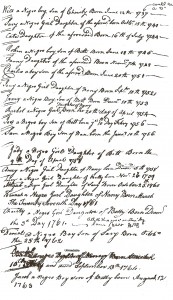
Blow Family Bible
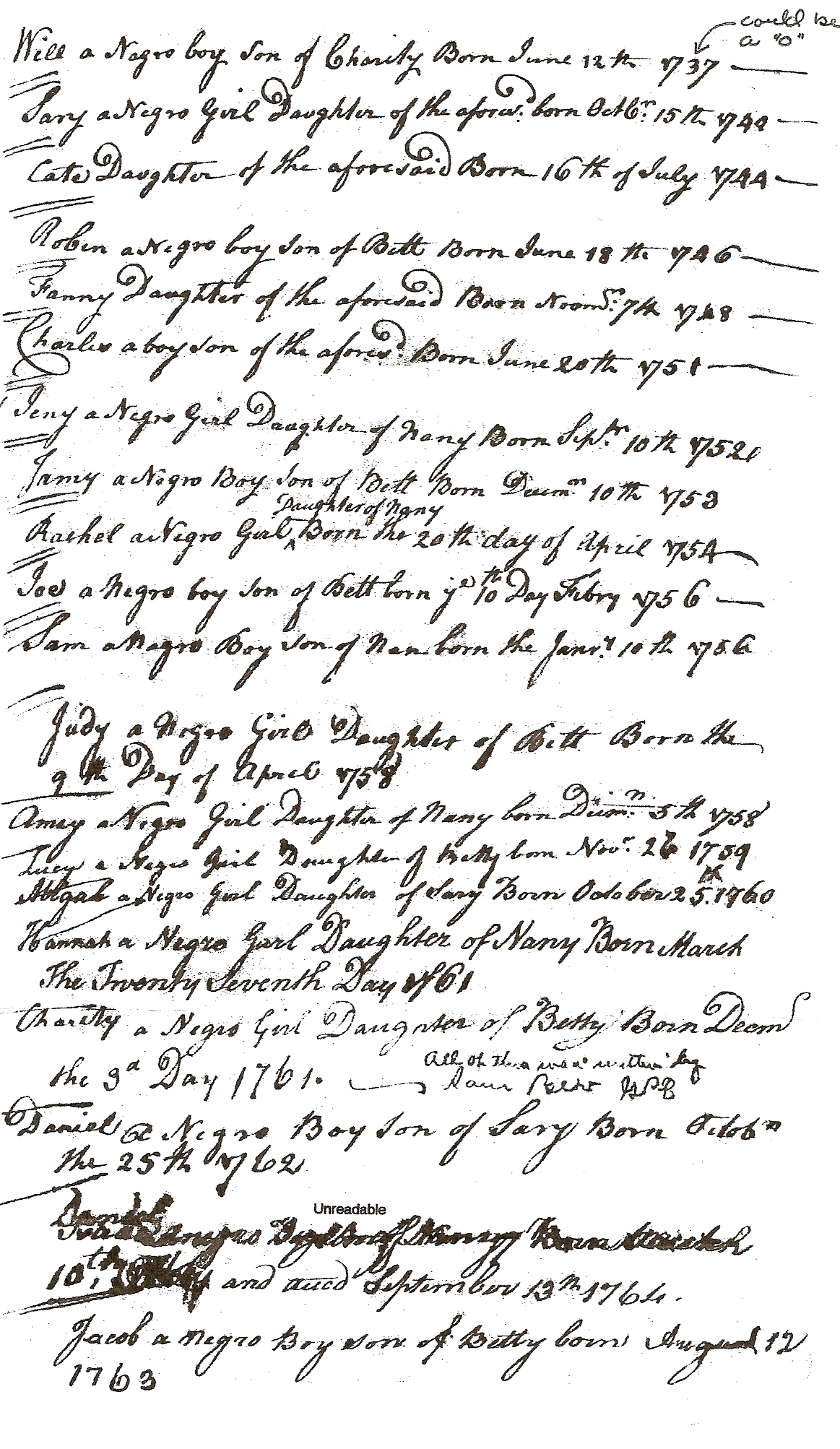
Slave owners kept detailed records of their slaves’ births, and deaths, and purchases; although many of them have not survived. They often recorded these events in their family bibles along with information on their own families.
The 1715 Blow family bible records the births of slaves owned by the Blows of Sussex, and Southampton counties in Virginia. Nineteen births of four mothers are recorded from 1737 to 1763 spanning three generations. This is a goldmine of information for African American research. Descendants of these slaves can be found searching other records in the Blow Family Papers in the Swem Library in Virginia.
Tags:African American History, African American Names, African Slaves, Black Genealogy, Blow Family, Blow Family Bible, family history, family research, Genealogy & DNA, George Blow, Michael Blow, plantation slavery, Richard Blow, Samuel Blow, Slave Bill of Sale, Slave Name Patterns, Slave Names, Slave Records, slave trade, Southampton County Virginia, Sussex County Virginia, Swem Library, Tower Hill Plantation, Transatlantic Slave Trade, Virginia Plantation, Virginia Slavery
Posted in Civil War, Genealogy & DNA, Interviews, Introduction & Personal, Plantation Life, Research | Comments Closed
Sunday, October 18th, 2009
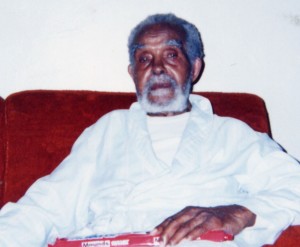
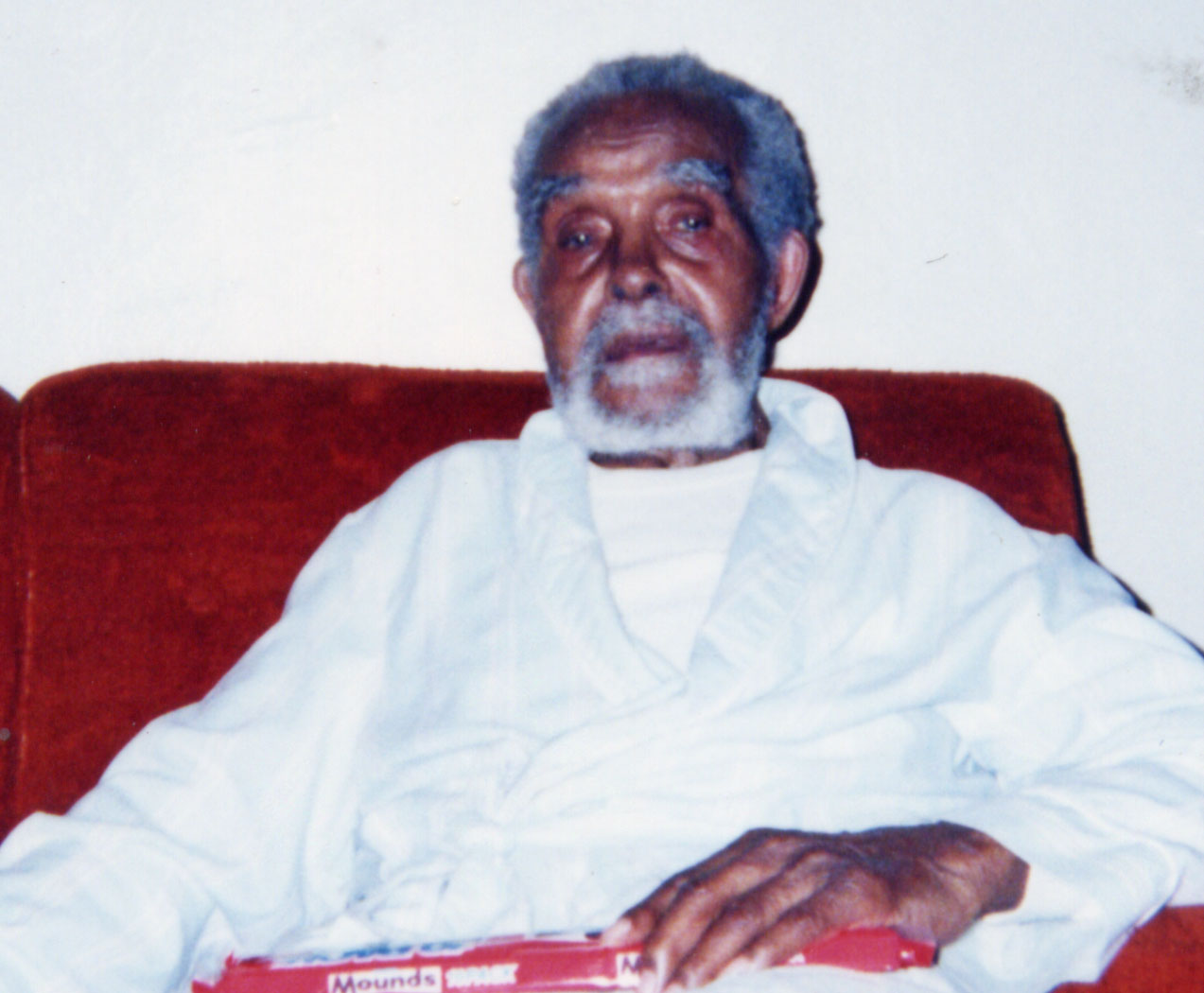
Joseph Washington 1895-2002
In more than thirty years of researching my ancestry and the lives of African Americans enslaved on Wessyngton Plantation, I have had the honor of interviewing more than twenty individuals whose parents or grandparents lived on the plantation. These individuals ranged in age from eighty to 107 years old.
Although I found hundreds of documents about my ancestors from plantation records written by the owners of Wessyngton, I learned many personal things about my ancestors from conducting interviews with elder family members.
In 1994, I visited my cousin Joseph Washington 1895-2002 (pictured above) at his home in Mansfield, Ohio on his one hundred second birthday. As a child Joseph lived next door to my great-great-grandparents Emanuel and Henny Washington who were born at Wessyngton in the early 1800s. He related many stories about them to me including ghost stories that my great-great-grandfather used to tell all the children on the plantation and songs he used to sing. Joseph told me what life was like on the plantation when he grew up there and how many people on the plantation were related to one another.
Oral history is a vital key to tracing African American genealogy and provides many details about our ancestors that can’t be found in records.
Tags:African American History, African American Oral History, African American slavery, Black Genealogy, black history, Civil War, family history, Griot, Interviews, Joseph Washington, Oral History, Oral Tradition, plantation slavery, Plantations, Tennessee history, Tennessee slavery
Posted in Civil War, Current Events, Interviews, Plantation Life, Research | Comments Closed
Sunday, September 6th, 2009
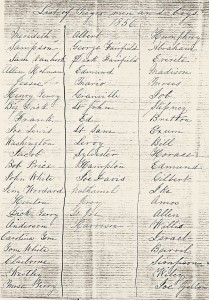
List of Men and Boys on Wessyngton Plantation 1856
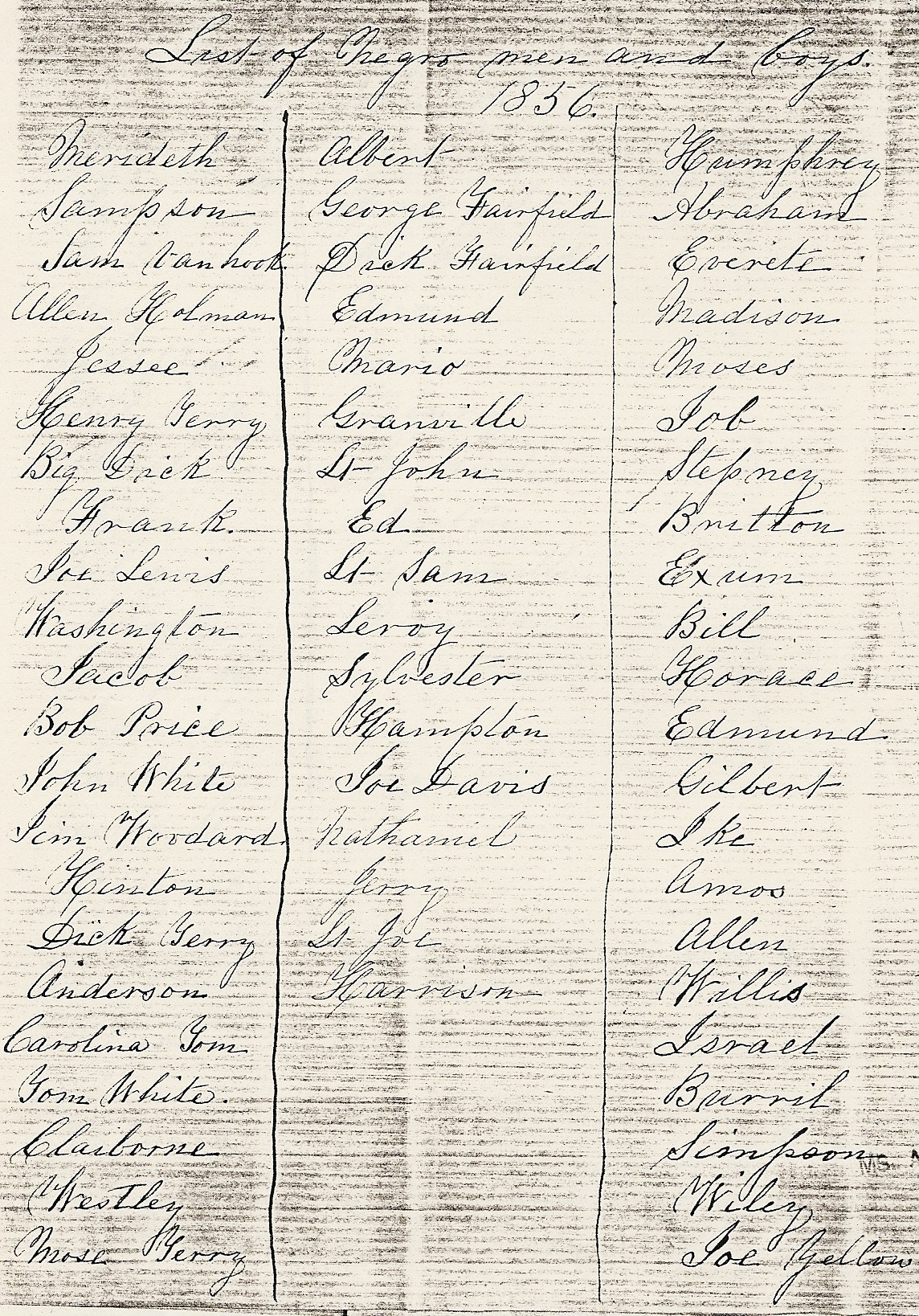
Plantation owners used records such as slave bills of sales, birth registers, and many other documents to keep an accurate count of their slaves’ births, deaths, and their production on plantations and farms. These documents are invaluable in tracing African American genealogy.
The document above is a list of enslaved African American men and boys on Wessyngton Plantation in 1856 owned by George A. Washington. Slave owners had to pay taxes on their slaves from age twelve to fifty, so the list only identifies those in that age range who were a part of the plantation labor force. Many of the individuals are listed with surnames: Davis, Fairfield, Gardner, Holman, Lewis, Price, Smith, Terry, Vanhook, White and Woodard. The use of these surnames made it possible to locate them and their previous slave owners. Many of them were also found on the 1870 U. S. Census living on or near Wessyngton Plantation.
In 1964, the Washington family deposited all their family papers and plantation records in the Tennessee State Library and Archives in Nashville. Hundreds of these documents shed light on the lives of hundreds of African Americans enslaved there.
Tags:African American Genealogy, African American History, African American Surnames, Black Genealogy, Civil War, Genealogical Research, Naming Patterns, Plantation Life, Plantation Records, Roots, Slave Surnames
Posted in Civil War, Genealogy & DNA, Plantation Life, Research | Comments Closed